 With an area of 7,434 square kilometers and a population about 10 million people, Guangzhou is the capital city of Guangdong Province. Guangzhou is located at the north of the Pearl River (Zhu Jiang) delta, on the coast of the South China Sea and 182 kilometers away from Hong Kong. It is China's largest and most prosperous city in the south, an important seaport for foreign trade and a famous historical and cultural city over 2,000 years old. With an area of 7,434 square kilometers and a population about 10 million people, Guangzhou is the capital city of Guangdong Province. Guangzhou is located at the north of the Pearl River (Zhu Jiang) delta, on the coast of the South China Sea and 182 kilometers away from Hong Kong. It is China's largest and most prosperous city in the south, an important seaport for foreign trade and a famous historical and cultural city over 2,000 years old.
Guangzhou is called “The City of Ram”, legend has it that five gods riding on five rams brought the first grain to the city, and thus bring the prosperous to the city. Since China initiated the reform and open policy in 1978, Guangzhou has developed with a rather fast pace and gradually become a major commercial, trading, light industry and transport center and a leading destination and ideal place for foreign investments.
Guangzhou (formerly known as Canton) is one of the wealthiest and fastest growing urban centers in China and well known as the site of the annual Canton Chinese Export Commodities Fair, which attracts tens of thousands of traders from all over the world. As one of the major hometowns of overseas Chinese in the country, Guangzhou has more than 1.06 million of folks residing abroad, and 880,000 compatriots in Hong Kong and Macao. And they have made great contribution to the development of Guangzhou and the whole China.
Guangzhou's industry covers machinery, shipbuilding, textiles, sugar-refinery, household electrical appliances, computers, petrochemicals, light industrial products for daily use, rubber products and garments. The Guangzhou Economic and Technological Development Zone situated in Huangpu has already taken shape. Guangzhou has advanced agriculture, abounding in rice, sugarcanes, fruits, freshwater fish and oil crops. Guangzhou is the communication hub of Guangdong Province, with railways and highways radiating in all directions, and convenient inland-water, coastal and ocean transport. It is South China's biggest national-and-foreign-oriented city with flourishing commerce, and China's chief foreign trade center as well.
With an annul temperature of 21.8 degree Celsius all the year round, Guangzhou is a beautiful city with ever-green trees and fragrance flowers and some other plants blooming all year round. It is well known for its flowers and potted landscape, such as salisb (michealia), sweet hibiscus, banana-shrub£¬jasmine, gladiolus, chrysanthemum, kumquat, among others. In 2003, a flower-auction with the largest size and most advanced facilities in Asia was set up in Guangzhou. So it also reputed as “The Flower City”.
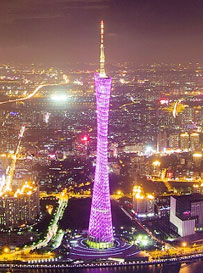 Guangzhou is bestowed with green hills and clean waters, beautiful scenery and rich tourist resources. There are dozens of cultural tourist spots in the city, of which the most well known are Chen Clan Temple, Yuntai Park (in Baiyun Mountain scenic area), Five Rams Statue, Zhenhai Building (Yuexiu Park, Guangzhou Museum), Guangzhou Grand World Views, Sunny Dawn Over Lotus (Lotus Hill Tourist Area), etc. Besides, here and there stand monuments of the city's democratic and revolutionary past. For instance, the monument to the Anti British struggle at San Yuan Li is in remembrance of the 1841 uprising against a British invading force. The Huang Hua Gang Park keeps alive the spirit of the 72 martyrs killed in an uprising in the year of 1911 against the Manchu dynasty. The National Peasant Movement Institute is the former cadre-training school founded and run by Mao Zedong and Zhou En Lai in 1925-1926. The Guangzhou Memorial Garden is in memory of those who lost their lives during the Communist Uprising in 1927. Guangzhou is bestowed with green hills and clean waters, beautiful scenery and rich tourist resources. There are dozens of cultural tourist spots in the city, of which the most well known are Chen Clan Temple, Yuntai Park (in Baiyun Mountain scenic area), Five Rams Statue, Zhenhai Building (Yuexiu Park, Guangzhou Museum), Guangzhou Grand World Views, Sunny Dawn Over Lotus (Lotus Hill Tourist Area), etc. Besides, here and there stand monuments of the city's democratic and revolutionary past. For instance, the monument to the Anti British struggle at San Yuan Li is in remembrance of the 1841 uprising against a British invading force. The Huang Hua Gang Park keeps alive the spirit of the 72 martyrs killed in an uprising in the year of 1911 against the Manchu dynasty. The National Peasant Movement Institute is the former cadre-training school founded and run by Mao Zedong and Zhou En Lai in 1925-1926. The Guangzhou Memorial Garden is in memory of those who lost their lives during the Communist Uprising in 1927.
Guangzhou government is now putting every effort to make Guangzhou more prosperous and full of vigor. The whole city welcomes investors, tourists and any people with lofty ideals to come and have a look.
Guangzhou Attractions
Ancestral
Temple of the Chen Family,Bright Filial
Piety Temple,Evening Cuise
on Pearl River,Grand World Scenic
Park,Huaisheng Mosque,Orchid Garden
Guangzhou Tour
GZ-PH-01. Guangzhou
three days tour (includes hotel)
GZ-PK-01. Guangzhou
3 days private tour (excludes hotel)
GZ-PK-02. Guangzhou 2 days day
tour (excludes hotel)
Half Day Guangzhou Tour
GZD-1.0. Guangzhou half day tour to Dr. Sun Yat-Sen's Memorial Hall and the Temple of the Six Banyan Trees
GZD-1.1. Guangzhou half day tour to Chen Clan and Xiguan House
GZD-1.2 Guangzhou half day tour to Tomb of Nanyue King and Yuexiu Park
GZD-1.3 Guangzhou half day tour to Shamian Island and Qingming Market
GZD-1.4 Guangzhou half day tour to Shangxiajiu Street and Hualin Temple
GZD-1.5 Guangzhou half day tour to Giant Buddha Temple and Beijing Road
GZD-1.6 Guangzhou half day tour to Ersha Island, Guangdong Art Museum
GZD-1.7 Guangzhou half day tour to Guangdong Provencial Museum and Huacheng Square
GZD-1.8 Guangzhou half day tour to Guangzhou Zoo and Zhujiang Park
GZD-1.9 Guangzhou half day tour to White Cloud Mountain and Yuntai Garden
GZD-1.10 Guangzhou half day tour to Guangdong Revolution and History Museum and Grand Marshal Mansion
GZD-1.11 Guangzhou half day tour to Huanan Botanical Garden
GZD-1.12 Guangzhou half day tour to Haizhu Wetland Park and Haizhu Child Park
GZD-1.13 Guangzhou half day tour to
Whampoa Military Academy and Ancient Huangpu Port
One Day Guangzhou Tour
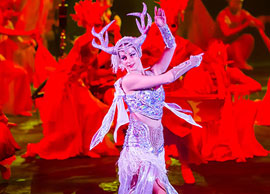 GZ-PO-02. Guangzhou One Day City Tour of Dr. Sun Yat-sen's Memorial Hall, Yuexiu Park, Temple of the Six Banyan Trees, Xiguan House GZ-PO-02. Guangzhou One Day City Tour of Dr. Sun Yat-sen's Memorial Hall, Yuexiu Park, Temple of the Six Banyan Trees, Xiguan House
GZ-PO-2.1. Guangzhou One Day City Tour of Tomb of Nanyue King and Chen Clan
GZ-PO-2.2. Guangzhou One Day City Tour of Shamian Island and Ersha Island
GZ-PO-2.3. Guangzhou one day tour of Huanan Botanical Garden and Ersha Island
GZ-PO-2.4. Guangzhou one day tour of Giant Buddha Temple and Sacred Heart Cathedral
GZ-PO-2.5. Guangzhou one day tour of Dongping Pawnshop Museum and Chunyang Taoist Temple
GZ-PO-2.6. Guangzhou one day tour of Guangzhou Zoo and Guangzhou Tower
GZ-PO-2.7. Guangzhou one day tour of Haizhu Wetland Park and Guangzhou Bus on Water
Guangzhou
Evening Private Tour
Guangzhou
Evening Tour of Pearl River Cruise
Guangzhou Evening Tour of Chimelong Circus
Guangzhou
Transfer Service
Guangzhou
Airport Transfer
Guangzhou
Railway station Transfer
Transfer service from Guangzhou to Foshan
Transfer service from Guangzhou to Zhaoqing
Transfer service from Guangzhou to Zhuhai
Transfer service from Guangzhou to Panyu
Transfer service from Guangzhou to Dongguan
Guangzhou Translator
Guangzhou Tour Guide
Private
Local Tour
Guangzhou
Suburb tour lines
Guangzhou 2 days
tour
Guangzhou Conghua 3 Days Tour
Guangzhou Hotel
3 star hotels
4 star hotels
5 star hotels
All
Guangzhou hotels
Cheap Guangzhou
hotels
Discount Guangzhou
hotels
Guangzhou
downtown hotels
Guangzhou hotels
near Airport
Guangzhou
hotels near Railway Station
|

 Home :Guangzhou :
  Home
Home